Starvard University · Nutrition
Eat like someone who wants to feel good. Twelve plain-English lessons on protein, sugar, vegetables, and building meals that actually work. No diets, no dogma, no superfoods.

The whole course in brief
The twelve lessons
Lesson 1
Nutrition has been made absurdly complicated by an industry that profits from confusion. The truth is simple enough for a child: eat mostly real food, not too much, mostly plants. If it grew in the ground, walked on legs, or swam, it is food. If it was engineered in a lab to be irresistible and has a mascot, it is a product. Eat food, be skeptical of products.
This one rule eliminates most of the damage. Ultra-processed products are designed to override your fullness signals: engineered combinations of sugar, salt, and fat that your brain did not evolve to handle. You cannot out-willpower chemistry. The people who eat well are not stronger than you. They just keep less of this stuff in the house.
Start with your environment, not your willpower. Stock the kitchen with real ingredients. Keep the junk out of the house or at least out of sight. Put fruit where you can see it. You will eat what is easy and visible. Design that, and the eating takes care of itself.
Lesson 2
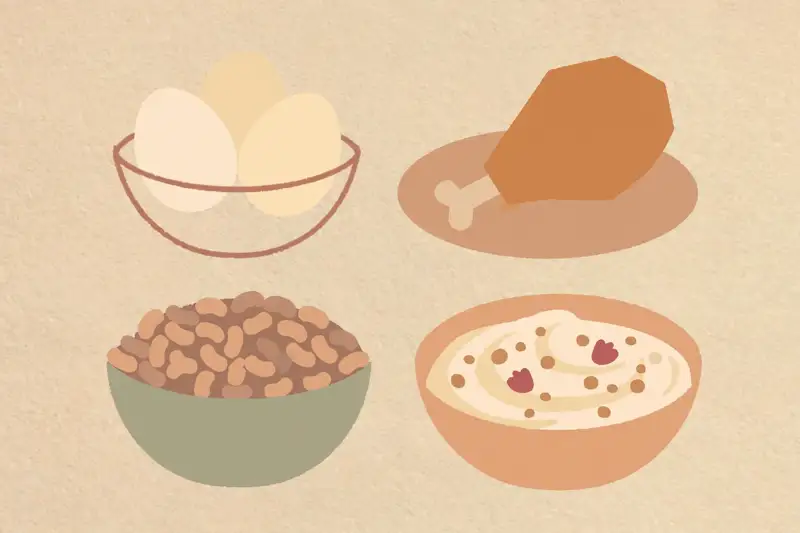
If you change one thing about how you eat, make it this: get enough protein. Protein keeps you full longer than carbs or fat, protects your muscle as you age, and steadies your energy. Most people eat far less than they should, then wonder why they are hungry an hour after lunch and raiding the pantry at 9pm.
Aim for a palm-sized portion of protein at every meal: eggs, chicken, fish, beef, Greek yogurt, beans, lentils, tofu. Roughly 0.7 to 1 gram per pound of body weight per day is a solid target for active adults. You do not need to weigh everything. Just make protein the anchor of the plate and build the meal around it.
Front-load it at breakfast especially. A protein-rich breakfast (eggs, Greek yogurt, a shake) sets your hunger hormones for the whole day. The pastry-and-coffee breakfast sets you up for a 10:30am crash and a day of chasing energy. Morning protein is the highest-leverage meal decision you can make.
Lesson 3
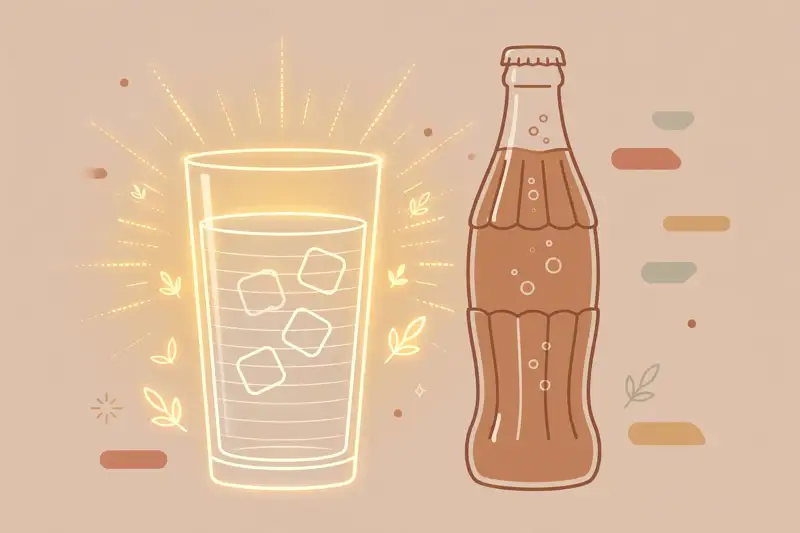
The single biggest nutrition win for most people is cutting liquid sugar. A large soda has 60 to 80 grams of sugar, more than most people should have in a whole day, and your body barely registers it as food. You drink 500 calories and you are hungry again in an hour. Juice is not much better. Your body cannot tell the difference between soda sugar and orange juice sugar.
Then look at the sneaky sugars: flavored coffee drinks, sweet tea, sports drinks, smoothies that are dessert in a health costume. Read the grams. If a drink has more than 10 grams of sugar, treat it as dessert, not hydration. Switch to water, sparkling water, black coffee, unsweetened tea. Give it two weeks. Your taste buds recalibrate, and the old drinks start tasting like syrup.
Solid sugar matters too, but it is less urgent because food at least slows you down. The rule: dessert is fine, dessert three times a day is a problem. Keep sweets as deliberate treats you actually enjoy, not background grazing from the office candy bowl. Enjoyment goes up when frequency goes down.
Lesson 4
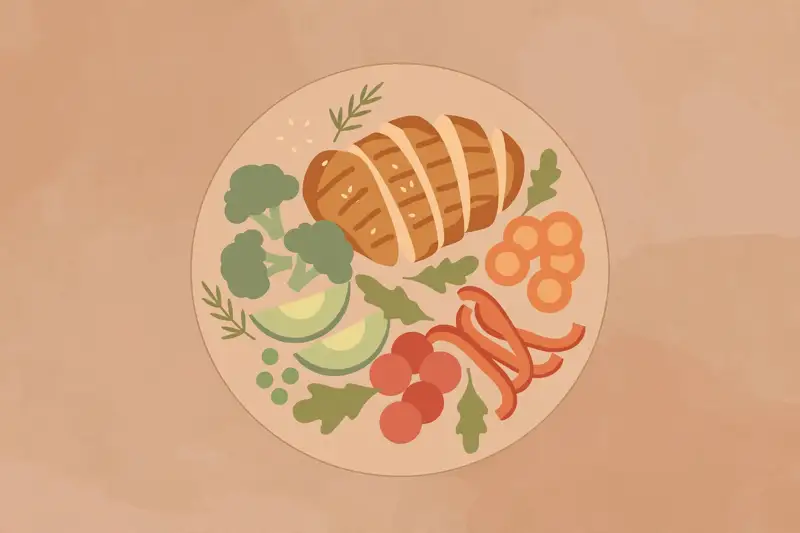
Here is the cheat code for eating less without feeling deprived: fill half your plate with vegetables. They are high in volume and fiber, low in calories, and they physically fill your stomach, which is what tells your brain you have eaten enough. A giant salad with protein is a meal that satisfies. A small dense meal of the same calories leaves you hunting for snacks.
You do not need to love kale on day one. Start with vegetables you actually like, cooked in ways that taste good: roasted with olive oil and salt, stir-fried with garlic, raw with hummus. Frozen vegetables are just as nutritious as fresh and never go bad in your freezer. Keep it easy and it becomes a habit.
Aim for color and variety over perfection. Different colors carry different nutrients, so a colorful plate is a complete plate. Three to five servings a day is a fine target. And remember: the best vegetable is the one you will actually eat. Roasted broccoli you love beats steamed kale you throw away.
Lesson 5
Mild dehydration feels exactly like hunger, fatigue, and a bad mood. Before you reach for a snack or a second coffee, drink a big glass of water and wait fifteen minutes. An embarrassing number of cravings, headaches, and afternoon slumps are just thirst wearing a costume.
Make water the default drink of your life. Keep a bottle with you, keep one at your desk, keep one by your bed. When water is the easiest thing to drink, you drink it. When soda is the easiest thing, you drink that. Environment again. Most adults do well on roughly half their body weight in ounces per day, more if active or in heat. Pale yellow urine is the honest report card.
Flavor it if plain water bores you. Sparkling water, lemon, cucumber, mint: all fine. The goal is a habit you keep, not a purity test you quit. Coffee and tea count toward hydration too, within reason. Just keep the sugary drinks out of the default slot.
Lesson 6
Breakfast sets the metabolic tone for your entire day. A breakfast of pure refined carbs (pastry, sugary cereal, bagel alone) spikes your blood sugar, crashes it by mid-morning, and launches a day of cravings. A breakfast built on protein and fiber does the opposite: steady energy, real fullness, no 10am vending machine visit.
Keep three go-to breakfasts in rotation so there is never a decision to make. Eggs any style with vegetables. Greek yogurt with berries and nuts. Overnight oats with protein powder and peanut butter. All take under ten minutes. All keep you full until lunch. Pick the ones you like and repeat them shamelessly. Breakfast variety is overrated. Breakfast consistency is underrated.
If you are not hungry in the morning, that is fine too. Skipping breakfast is not a sin, as long as lunch is a real meal and not a desperate binge. Listen to your body, but be honest about whether "not hungry" is real or just "too rushed." A little planning solves the rushed part.
Lesson 7
Nobody makes good food decisions when starving. The 4pm crash, the post-dinner grazing, the gas station stop: these are planning failures, not character failures. The fix is to decide your snacks before hunger decides for you. Keep good options where you will actually be.
Build snacks on the same formula as meals: protein plus fiber. Greek yogurt, a handful of nuts, an apple with peanut butter, hard-boiled eggs, cottage cheese, vegetables with hummus. These keep you full. A bag of chips keeps you eating. The difference is not willpower. It is what was within arm's reach.
Keep an emergency stash everywhere: desk drawer, car, bag. Hunger strikes in traffic and meetings, and the prepared person eats nuts while the unprepared person eats whatever the vending machine offers. This is not obsessive. It is just adult logistics, like keeping gas in the car.
Lesson 8
Restaurant food is engineered to taste amazing, which usually means more butter, more salt, more sugar, and portions for two. You can still eat out and eat well. The trick is deciding your rules before you sit down, because the menu is designed to decide for you.
Use the plate formula at restaurants too: protein, vegetables, a reasonable starch. Grilled or roasted beats fried or breaded. Ask for dressing and sauce on the side; you will use a third as much. Drink water or sparkling water with the meal. And box half the entree before you start if portions are huge. Future you gets lunch, present you avoids the food coma.
Do not let one meal become one week. A great dinner out is one of life's pleasures. Enjoy it fully, then eat normally the next meal. The damage is never the single meal. It is the "well, I already blew it" spiral that turns dinner into a weekend. One meal is a blip. Get back on the horse at breakfast.
Lesson 9
Alcohol is the stealthiest calorie source in most diets. A couple of beers or two glasses of wine is 300 to 400 calories, roughly a whole meal, with zero fullness and lowered inhibitions that lead to late-night food decisions. People who "eat clean all week" often drink their progress on the weekend.
Beyond calories, alcohol wrecks sleep quality, which wrecks hunger hormones the next day, which wrecks eating. It is a cascade. You do not need to quit forever to see the benefit. Try two to four weeks with little or none and watch your sleep, energy, skin, and waistline. Most people are shocked by the difference.
If you drink, do it deliberately. Choose what you actually enjoy, skip the sugary cocktails, alternate with water, and set your limit before the first sip. Treat alcohol like dessert: a pleasure you choose on purpose, not a default you slide into. And never use it to unwind every single night. That is a habit wearing a hobby's clothes.
Lesson 10
You do not need a nutrition degree to read a label. You need ten seconds and three numbers: serving size, sugar, protein. Everything else is detail. Start with serving size, because the numbers lie if you skip this. That "200 calorie" bag might contain two and a half servings. The front of the package is advertising. The back is the truth.
Check sugar next. Under 5 grams per serving is good. Over 15 is dessert. Watch the aliases: cane syrup, dextrose, maltose, "fruit juice concentrate" are all sugar wearing costumes. Ingredients are listed by weight, so if sugar appears in the first three ingredients, it is basically candy.
Check protein last. More is generally better for fullness. Then glance at the ingredient list length: five ingredients you recognize beats thirty you cannot pronounce. This ten-second scan, done consistently, will quietly upgrade your entire grocery cart without any dieting at all.
Lesson 11
The perfect diet you follow for two weeks loses to the good diet you follow for two years. Every time. Nutrition is a game of averages, and your average is built from ordinary days, not heroic ones. Aim for eighty percent: mostly real food, protein at meals, water as default, treats as treats. That is enough to transform how you feel.
Kill the all-or-nothing mindset. One bad meal does not ruin anything. One bad day does not ruin anything. What ruins things is the story: "I blew it, might as well blow the week." The people who succeed long-term have a superpower, and it is not discipline. It is the speed of their recovery. Bad lunch, good dinner. Bad day, good tomorrow.
Track the trend, not the day. If this month was better than last month, you are winning. Zoom out. Bodies change slowly and then suddenly. The ones who quit are the ones who demanded perfection by Friday. Give it a year of eighty percent and you will not recognize your habits.
Graduation
Real food. Protein first. No liquid sugar. Half a plate of vegetables. Water as default. A real breakfast, planned snacks, sane restaurant rules, honest alcohol, ten-second labels, and eighty percent consistency. That is Nutrition 101. No superfoods, no thirty-day challenges, no guilt. Just a way of eating that makes you feel good for the rest of your life.
Keep learning
This course is part of Starvard University, striving for greatness.
The whole course on paper: free, like everything at Starvard.
A note on accuracy: Much of what you read at Starvard was created with help from AI agents, working alongside people. We check what we can, but we cannot guarantee that everything here is true, current, or complete. If something really matters, your health, your money, a grade, a job, please verify it with a trusted source before you rely on it.