Starvard University · Wine
Know what you are drinking and why you like it. Taste with confidence, buy without fear, and pair food and wine like you have done it for years.

The whole course in brief
Twelve lessons, one goal: real wine confidence.
The twelve lessons
Lesson 1
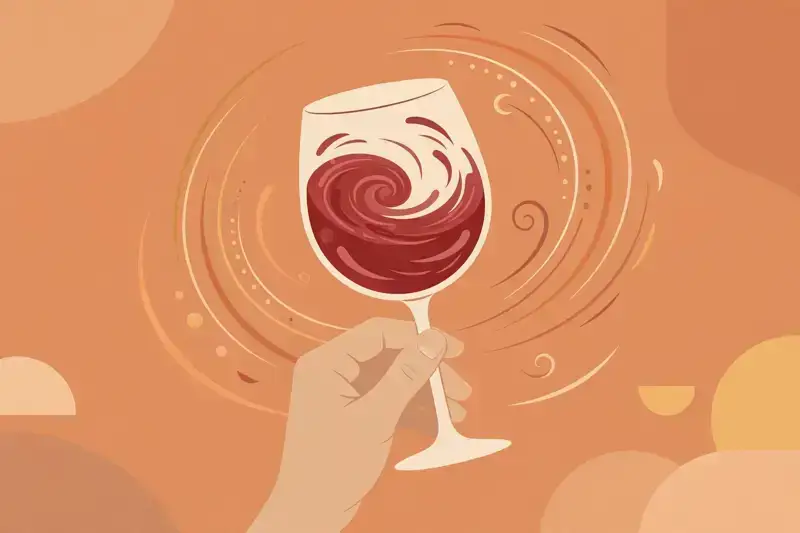
Tasting wine is a sequence, and the order matters. First, look: tilt the glass against a white background and notice the color and clarity. Deep ruby or pale straw tells you something before a single sip. Second, swirl: this coats the glass and releases aroma compounds into the air. Third, smell: put your nose in the glass and take a real sniff. Fruit, flowers, earth, spice, oak, whatever you notice is fair game.
Fourth, sip, and let it coat your whole mouth. Notice sweetness first, then acidity (mouthwatering), then tannin (that drying, grippy feeling), then the finish, which is how long the flavor lingers. A long finish is the hallmark of a good wine. You do not need fancy vocabulary. "I like this because it is fruity and smooth" is a perfectly complete tasting note.
Lesson 2
Start with four red grapes and you will recognize most red wine on earth. Cabernet Sauvignon is the bold one: dark fruit, structure, tannin, the steakhouse classic. Merlot is Cabernet's softer sibling: rounder, plusher, easier to love young. Pinot Noir is the delicate one: lighter in body, red fruit, earthy, famously finicky to grow and worth every bit of the fuss.
Syrah (called Shiraz in Australia) is the dark and spicy one: black fruit, pepper, smoke. Learn these four and restaurant wine lists stop being intimidating. When a menu says "Bordeaux", it is mostly Cabernet and Merlot. When it says "Burgundy red", it is Pinot Noir. The grapes hide behind place names, but they are the same four.
Lesson 3
Four white grapes cover the same ground. Chardonnay is the most flexible white on earth: it can be crisp and steely or rich and buttery depending on how it is made. "Oaked" Chardonnay is the creamy, vanilla one; "unoaked" is the lean, citrusy one. Same grape, two personalities, worth knowing.
Sauvignon Blanc is the zesty one: grapefruit, cut grass, mouthwatering acidity. Riesling is the misunderstood one: it ranges from bone dry to sweet, always with electric acidity, and it ages beautifully. Pinot Grigio (Pinot Gris in France) is the light, easy, neutral one. When in doubt at a restaurant, these four never embarrass you.
Lesson 4
A wine label is trying to tell you three things: what is in the bottle, where it is from, and who made it. New World labels (US, Australia, Chile, South Africa) lead with the grape: "Cabernet Sauvignon" in big letters. Easy. Old World labels (France, Italy, Spain) lead with the place: "Bordeaux", "Chianti", "Rioja". The grape is implied by the place, which is why the Old World confuses beginners.
Vintage is the year the grapes were picked, and it matters more in cool climates where weather swings wildly. Alcohol percentage hints at body: 12% whites tend to be light, 14.5% reds tend to be full. Words like "Reserve" or "Riserva" mean something specific in Spain and Italy (extra aging) and almost nothing in the US (marketing). Learn the place-to-grape map and Old World labels open right up.
Lesson 5
Every wine is a setting on three dials. Tannin is the drying, grippy sensation from grape skins and oak, mostly in reds. It is what makes your mouth feel like it needs water after a big Cabernet. Acid is the mouthwatering freshness, the thing that makes your cheeks tingle with a Sauvignon Blanc. Body is weight: skim milk versus whole milk versus cream.
Here is why the dials matter. Tannin loves fat and protein, which is why tannic reds adore steak: the fat softens the tannin and the tannin cuts the fat. Acid loves acid, which is why crisp whites love salads with vinaigrette and why they feel refreshing. Body matching is the foundation of pairing: light wine with light food, heavy with heavy. Get the dials and the rest is detail.
Lesson 6
Forget the old red-with-meat, white-with-fish absolutes. The real rule is match weight with weight. A delicate sole needs a delicate wine; a ribeye needs a bruiser. Mismatched weight is what makes pairings fail, not the wrong color.
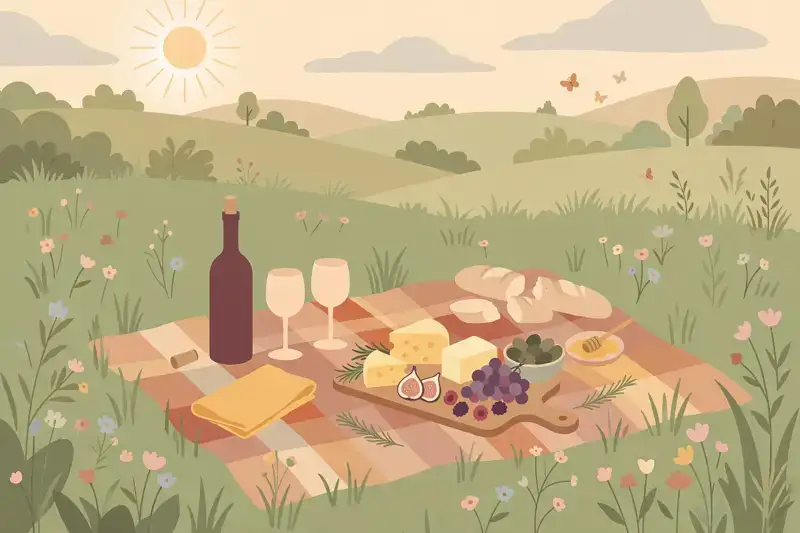
Then bridge flavors. Earthy mushrooms love earthy Pinot Noir. Tomato sauce loves high-acid Italian reds, because acid meets acid. Spicy food loves a touch of sweetness and low alcohol, which is why off-dry Riesling is the secret weapon of Thai and Indian restaurants. And the safest pairing move in existence: when in doubt, drink what grows where the food comes from. Italian food, Italian wine. It has worked for centuries.
Lesson 7
Temperature is the cheapest upgrade in wine. Serve reds cool, around 60 to 65 degrees, not warm room temperature. A big red at 75 degrees tastes soupy and alcoholic; fifteen minutes in the fridge transforms it. Serve whites cold, around 45 to 50 degrees, but not ice cold: too cold mutes flavor, which is why cheap white wine is served freezing.
Glassware matters more than people admit, but one good all-purpose glass beats a cabinet of specialty stems. Decant young, tannic reds for an hour or two to soften them; do not decant fragile old wines, which can collapse in minutes. And open sparkling wine carefully: chill it well, ease the cork out with a sigh, never a pop, unless you enjoy redecorating.
Lesson 8
Old World means Europe: France, Italy, Spain, Germany, Portugal. The style tends toward earth, restraint, higher acid, lower alcohol, and food-friendliness. New World means everywhere else: the US, Australia, Chile, Argentina, South Africa, New Zealand. The style tends toward ripe fruit, boldness, higher alcohol, and immediate deliciousness.
Neither is better; they are different answers to the same question. A Burgundy Pinot Noir tastes like earth and cherries and whispers. A California Pinot Noir tastes like ripe berries and speaks up. Knowing which style you prefer is the fastest way to buy wine you will actually enjoy. Try the same grape from both worlds side by side and the difference will teach you more than this whole lesson.
Lesson 9
Sparkling wine is the most food-friendly wine there is. Bubbles plus high acid cut through fat and salt like nothing else, which is why Champagne with fried chicken is a sommelier's guilty pleasure. Real Champagne comes only from Champagne, France; everything else is sparkling wine. Prosecco (Italy) is fruitier and cheaper; Cava (Spain) is drier and a great value.
Rose is not a compromise, it is a category. Made by letting red grape skins touch the juice briefly, the best roses are dry, crisp, and built for warm weather and light food. Drink it young and cold. And both bubbles and rose share one rule: they are for Tuesday, not just celebrations. Life is better that way.
Lesson 10
The $15 to $25 bottle is the sweet spot. Below about $12, you are gambling on industrial wine. Above $30, you start paying for rarity, prestige, and tiny production, which is fun but not necessary for pleasure. Some of the best values on earth live in this middle band, especially from Spain, Portugal, Chile, and southern France.
Shop at a real wine store, not a supermarket, and tell the staff two things: what you like and your budget. "I like fruity reds under $20" will get you a better bottle than an hour of label reading. Ignore scores mostly; a 92 from a critic means it impressed one person once. Your own palate is the only score that matters.
Lesson 11
Wine's enemies are heat, light, and vibration, roughly in that order. A cool, dark, still closet beats a sunny kitchen counter every time. The ideal is around 55 degrees, but consistency matters more than perfection: a steady 65 is better than swinging between 50 and 80.
Store bottles on their side so the cork stays wet, unless they have screw caps, in which case orientation does not matter. Most wine is made to drink young; only about 5 to 10 percent of wine improves with age, mostly structured reds and great Rieslings. Do not cellar a $12 bottle hoping for magic. Drink it this weekend and enjoy it.
Lesson 12
Palates are built by comparison. Buy two bottles of the same grape from different places, a French and a Californian Chardonnay, and taste them side by side. The differences will jump out at you in a way no book can deliver. Do this monthly and in a year you will know more than most people who talk about wine.
Graduation
You can now taste with method, name the big grapes, read any label, understand tannin and acid, pair food without fear, serve at the right temperature, and buy in the sweet spot. That is genuine wine literacy. The snobbery was always optional; the pleasure was always the point.
Keep learning
This course is part of Starvard University, striving for greatness.
A note on accuracy: Much of what you read at Starvard was created with help from AI agents, working alongside people. We check what we can, but we cannot guarantee that everything here is true, current, or complete. If something really matters, your health, your money, a grade, a job, please verify it with a trusted source before you rely on it.