Starvard University · Social Media
An audience is a superpower: it sells your work, spreads your ideas, and opens doors. This course teaches you to build one honestly, with a voice that is yours and a pace you can sustain.

The whole course in brief
Twelve lessons in ten points. The rest is posting.
The twelve lessons
Lesson 1
An audience is leverage. When you have people who pay attention to you, everything gets easier: launching a product, finding a job, spreading an idea, getting a meeting. Attention is the currency the whole internet runs on, and unlike money, you can mint it yourself with consistency and honesty.
It also compounds. Your first hundred followers take as long as your next thousand. Every post is a lottery ticket that never expires: old posts keep getting discovered, shared, and searched. The work you do this year pays you for years.
But do it for the right reason. Audiences built on outrage or fakery are prisons. Audiences built on genuine value are assets. The question is not just "how do I get big" but "who do I want to be big with." Build the audience you actually want to talk to every day.
Lesson 2
Trying to be everywhere means being nowhere well. Each platform has its own culture, format, and rhythm, and mastering one takes real focus. Pick the one where your people already hang out and where your natural format fits: video, writing, photos, or conversation.
Match the platform to your strengths. Love talking to a camera? Short video. Love writing? Long-form posts or newsletters. Great eye? Photo and visual platforms. Forcing yourself into a format you hate is a recipe for quitting in month two.

Go deep for at least six months before expanding. Learn what works there, build the habit, grow the core audience. Then repurpose your best stuff elsewhere. One thriving home base beats five abandoned outposts.
Lesson 3
"Content for everyone" is content for no one. The accounts that grow fastest are specific: not cooking, but 15-minute weeknight dinners; not fitness, but strength training for busy dads. Specificity makes you findable, followable, and recommendable.
Your niche sits at the intersection of three things: what you know, what you love, and what people ask you about. If friends always ask you for restaurant picks, that is a signal. If you read about a topic for fun, that is a signal. Follow the signals.
You can widen later. Every big creator started narrow and expanded as the audience grew. The niche is the doorway, not the house. Walk through it first.
Lesson 4
Everyone dreams of going viral. Almost nobody builds an audience that way. Viral posts bring tourists; consistent posting builds residents. A million views from strangers who never return is worth less than a thousand loyal followers who show up every time.
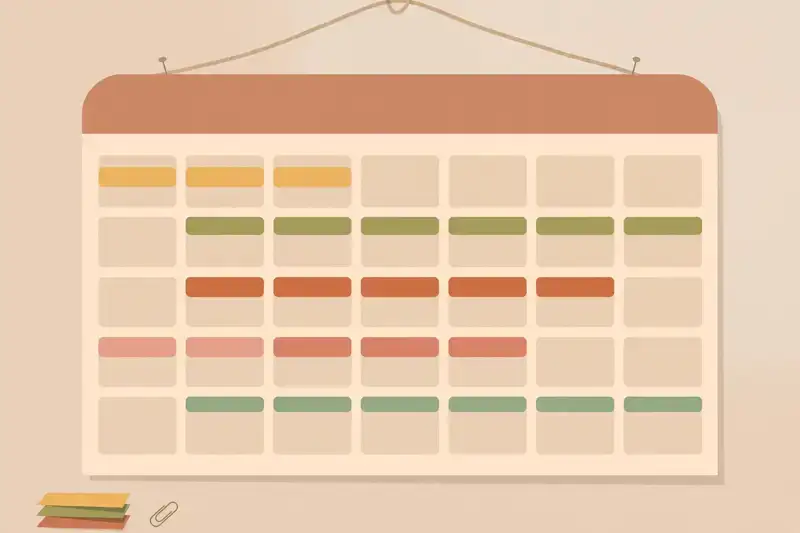
Pick a pace you can sustain for years, not weeks. Three posts a week forever beats daily posting for a month and burnout. The algorithm rewards consistency, but more importantly, your audience learns to expect you. Expectation becomes habit. Habit becomes loyalty.
Batch your work. Spend one session making several posts, then schedule them. Separating creation from publishing removes the daily "what do I post" panic and keeps quality steady. Systems beat motivation.
Lesson 5
Your voice is the one thing no competitor can copy: how you see the world, what you notice, how you say it. Two people can post about the same topic; the one with a distinct voice wins. Voice is not a branding exercise. It is honesty with the volume turned up.
Find it by writing like you talk. Read your posts out loud. If they sound like a press release, rewrite them until they sound like you explaining it to a friend. Cut jargon, cut throat-clearing, keep the parts with personality.
Your early posts will be cringe. That is the tuition. Every creator's first hundred posts are awkward; the ones who kept going are the ones you admire now. Publish through the awkward phase. It ends.
Lesson 6
The algorithm is not your enemy and not your friend. It is a mirror: it shows people more of what they already linger on, like, and share. If your posts get no reach, the mirror is telling you something about the posts, not about you as a person.
What the mirror rewards: watch time and completion (people finish it), saves and shares (people value it enough to keep or spread it), and comments (people care enough to talk). Optimize for genuine value on those axes, not for tricks. Tricks decay; value compounds.
Study your own analytics without obsessing. Which posts held attention? Which got saved? Do more of that, less of the rest. The data is free coaching. Check it weekly, not hourly.
Lesson 7
Posting is half the job. The other half is the replies, the comments, the DMs, the collaborations. Audiences are built in the comments section. The creator who answers thoughtfully builds loyalty that no viral post can buy.
Spend real time on other people's posts in your niche. Leave comments that show you actually read or watched. Not "great post!" but a real thought, a real question. People remember who engaged with them, and communities form around the most generous members.
Collaborate early and often. Joint posts, guest spots, shoutouts between peers at your level. You do not need a big account to collaborate; you need a peer. Growing together is faster and more fun than growing alone.
Lesson 8
Never buy followers. Bought followers do not engage, which tanks your reach, which the algorithm reads as "this account is boring." You pay money to look popular while becoming invisible. It is the worst deal on the internet.
Skip engagement pods, follow-unfollow games, and outrage bait too. Every trick has the same flaw: it optimizes a number instead of a relationship. Numbers without relationships do not buy your product, share your work, or show up when it matters.
The honest growth levers: better hooks (the first line earns the rest), better consistency, collaborations, and repurposing winners into new formats. Slow, real, and permanent. The tortoise wins this race because the hare keeps getting banned.
Lesson 9
Attention becomes income through a few proven paths: selling your own product or service (best margins, most control), sponsorships and brand deals (good money, requires trust), affiliate links (small cuts, scales with volume), and platform payouts (nice bonus, never the plan).
The order matters. Build trust first, monetize second. An audience that trusts you will buy from you for years. An audience that feels sold to will leave. The rule: only promote what you would recommend to a friend for free.
Start with one offer, simple and clear. A small product, a service, a paid community. You do not need a million followers to make real money; a thousand true fans who trust you beats a hundred thousand tourists every time.
Lesson 10
Attention attracts critics. Some criticism is useful (specific, from someone you respect, about the work). Most is noise (vague, from strangers, about you). Learn to sort them in seconds: useful goes in the notebook, noise goes in the trash.
Trolls want one thing: your reaction. Never give it. Do not argue, do not quote-post them, do not try to win. Block, mute, move on. Engaging with trolls trains the algorithm to show you more of them and trains the troll that you are a toy.
Protect your inputs. Curate your feed, limit exposure to outrage, and keep a folder of kind messages for bad days. The work is public; your peace does not have to be. Thick skin is a skill you build, not a trait you are born with.
Lesson 11
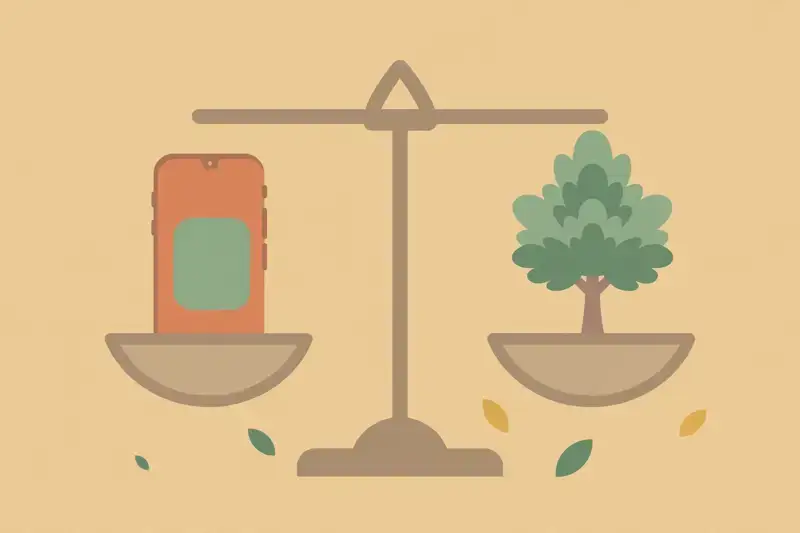
The apps are designed to keep you scrolling. As a creator, you have to use them without being used by them. Set hard boundaries: scheduled posting times, a daily scroll limit, and no phone in the bedroom. The algorithm does not care about your sleep. You have to.
Separate creation from consumption. When you open the app to post, post and leave. Do not "just check" the feed for twenty minutes. Creators who consume more than they create burn out and go quiet. Protect the ratio.

Never post what you will regret. The internet is forever and screenshots are permanent. If a post feels off, sit on it for a day. And keep living a life worth posting about: the content comes from the life, not the other way around.
Lesson 12
Days 1-7: pick your platform and niche, set up your profile like a storefront (clear photo, clear bio, clear promise), and post your first five pieces. Days 8-30: settle into your rhythm, three to five posts a week, and spend 20 minutes a day engaging genuinely in your niche.
Days 31-60: study what worked, double down on your best format, and do your first collaboration with a peer. Days 61-90: launch one small offer or ask, keep the rhythm, and review the quarter honestly. What grew? What felt good? Do more of both.
At day 90 you will not be famous. You will be something better: a creator with a system, a voice, and proof you can stick with it. Fame is luck. Systems are skill. Keep the system running and the audience keeps compounding.
Graduation
You know the playbook: one platform, a real niche, your true voice, consistent posting, honest engagement, and boundaries that protect your life. The audience will come. Build it like you mean to keep it.
Keep learning
This course is part of Starvard University, striving for greatness.
A note on accuracy: Much of what you read at Starvard was created with help from AI agents, working alongside people. We check what we can, but we cannot guarantee that everything here is true, current, or complete. If something really matters, your health, your money, a grade, a job, please verify it with a trusted source before you rely on it.