Starvard University · Relationships
At the end, nobody wishes they had worked more. The people closest to you matter most, and closeness is built from small, repeated acts of attention.

The whole course in brief
The twelve lessons
Lesson 1
The Harvard Study of Adult Development has tracked lives for over 80 years, and its conclusion is unambiguous: the strongest predictor of a happy, healthy life is not wealth, fame, or achievement. It is the quality of your close relationships. Good connections protect your body and your mind. Loneliness, the researchers found, is as damaging as smoking.
This is worth sitting with, because everything in modern life pushes the other way. Careers reward hours. Phones reward scrolling. Achievement is measurable and relationships are not, so relationships lose the scheduling war by default. The study says we have it backwards.
The implication is practical, not sentimental. Treat relationships like the investment they are: budgeted time, deliberate attention, regular maintenance. You would not ignore your health for a decade and expect to be fine. Do not ignore your people either. This course is the maintenance manual.
Lesson 2
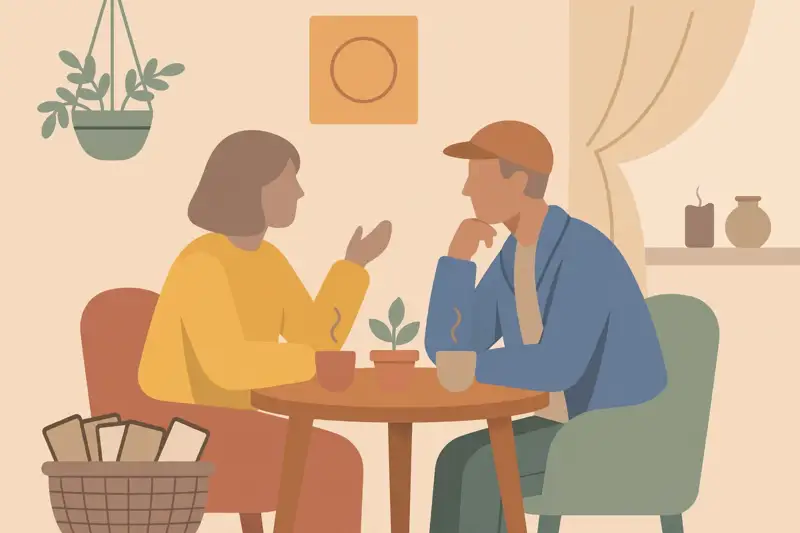
The greatest gift you can give someone is undivided attention, and it is increasingly rare. Half-listening while glancing at a phone tells the other person exactly where they rank. They feel it instantly, even if they say nothing.
Presence is a practice with simple rules. When you are with someone, be with them. Phone away, face down, ideally in another room. Eye contact. No multitasking the conversation. If your mind wanders, notice and return, the same rep as meditation. Twenty focused minutes beats two distracted hours.
Presence also means being there for the small moments, not just the big ones. The bedtime chat, the ride to school, the coffee on the porch. These unremarkable minutes are where closeness actually lives. Show up for them like they matter, because the research says they are what you will remember.
Lesson 3
Grand romantic gestures make movies. Daily small kindnesses make marriages. The research on lasting couples keeps finding the same thing: it is the tiny, repeated bids for connection, a text, a coffee made, a question about their day, that predict whether love survives. Big gestures are fireworks. Small things are the foundation.
The mechanism is emotional bank accounts. Every small kindness is a deposit. Every harsh word or ignored bid is a withdrawal. Couples and friendships that last keep the account full, so the occasional big withdrawal does not bankrupt them. You cannot make one huge deposit and coast. The account needs daily deposits.
Make it easy and automatic. A good-morning text. Asking about the thing they mentioned yesterday. A two-minute call for no reason. Noticing and naming something you appreciate. None of this is dramatic. All of it compounds into the feeling of being loved, which is built, daily, out of small things.
Lesson 4
Most conversations are two people waiting for their turn. While they talk, you are composing your reply, your story, your advice. They can feel the half-presence, and it quietly teaches them not to bring you the real stuff.
Real listening has visible behaviors. Ask a follow-up question instead of pivoting to yourself. Reflect what you heard: it sounds like that meeting really shook you. Tolerate silence; the important thing often comes after the pause. Do not problem-solve unless asked. Most people bring you feelings first and logistics second.
The payoff is enormous. People who feel deeply heard trust you more, tell you more, and feel closer to you. In every relationship, romantic, family, friendship, being the person who truly listens makes you irreplaceable. It costs nothing but attention. Practice it today with one person.
Lesson 5
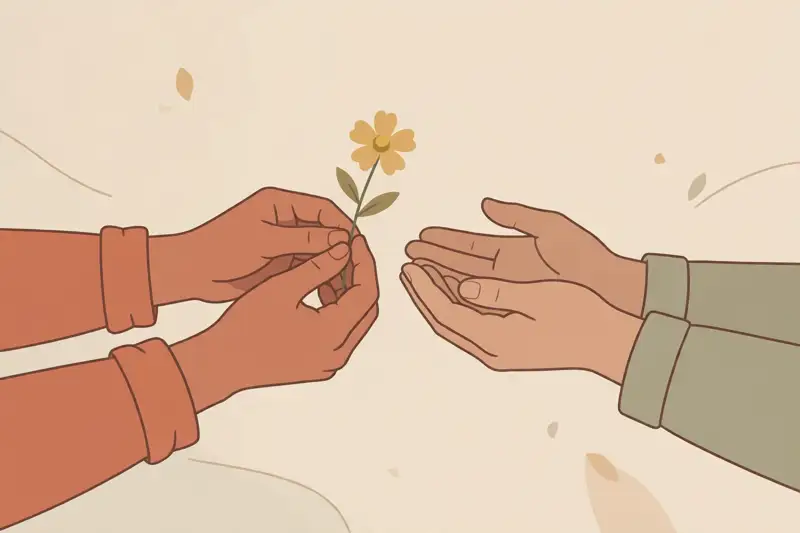
Gratitude you feel but never express might as well not exist. The other person cannot read your mind. They do not know you noticed, appreciated, or were moved, unless you say so. Unspoken gratitude helps no one.
Make it specific and regular. Not just thanks, but thank you for handling the kids' morning chaos so I could finish that proposal, I noticed, and it mattered. Specificity proves you were paying attention, which multiplies the effect. A weekly habit of naming one appreciation per important person rewires the relationship's emotional climate.
This applies everywhere: partners, kids, friends, colleagues, parents. People are starving to be seen. Telling someone exactly what they did and why it mattered takes thirty seconds and can carry them for days. Say it out loud. Say it in writing sometimes, because written gratitude gets re-read. Never let appreciation stay silent.
Lesson 6
Every relationship has conflict. The ones that last are not the ones without fights. They are the ones with good repair. Researchers who study couples can predict divorce with startling accuracy, and the key variable is not how much they fight. It is whether they repair: the attempts to de-escalate, reconnect, and make it right.
Repair has a toolkit. Take a break when flooded, twenty minutes minimum, and come back as promised. Own your part without the word but: I was wrong to snap, full stop. Offer a repair attempt even mid-fight: a touch, a joke, can we start over? Accept repair attempts graciously instead of punishing them.
The mindset shift: the relationship is more important than the point. Ask yourself mid-argument: do I want to be right, or do I want to be close? You rarely get both. Choose close. Apologize first. It is not weakness. It is the strongest move in any relationship.
Lesson 7
Boundaries sound harsh. They are actually protective, for both sides. Without clear limits, resentment builds silently until it explodes. With clear limits, everyone knows where they stand and the relationship stays clean.
A boundary is a statement about you, not an attack on them. I need Sunday mornings to myself is a boundary. You are so needy is an attack. State the need, keep it brief, do not over-explain or apologize excessively. Discomfort in the moment prevents resentment over years.
Boundaries apply to time, energy, topics, and behavior. What you will and will not discuss. When you are available. What treatment you accept. People who respect your boundaries are keepers. People who punish you for having them have told you something important. Kind, clear, consistent: that is the whole formula.
Lesson 8
Adult friendship does not happen by accident. The built-in structures of school and early career are gone, and nobody assigns you friends. The people with rich friendships in midlife treat friendship as a practice: deliberate, scheduled, maintained.
The practices are unglamorous. Reach out first, and keep reaching out. Schedule it: the monthly dinner, the weekly call, the annual trip. Be the organizer, because everyone is waiting for someone else to organize. Show up for the boring stuff, the move, the hospital visit, the Tuesday. Celebrate their wins loudly.
Also: let people in. Vulnerability is the doorway to closeness, and many adults keep friendships shallow from habit. Share something real. Ask something real. The friends worth having will meet you there. Friendship is not found. It is built, one kept promise at a time.
Lesson 9
You do not choose your family, but you choose your effort. Adult relationships with parents, siblings, and extended family do not run on autopilot. They run on the same practices as everything else: presence, small kindnesses, repair, boundaries.
The tricky part is old patterns. Families install roles in childhood, the responsible one, the difficult one, and everyone keeps playing them at forty. Noticing the role is the first step to choosing differently. You can love your family and still update the dynamic.
Some family relationships are harmful, and boundaries or distance are the right call. That is not failure. It is health. But for the family worth keeping, invest on purpose: the regular call, the visit, the interest in their actual life. Do not wait for the crisis to show up. The ordinary Tuesdays are the relationship.
Lesson 10
Avoiding a hard conversation does not avoid the problem. It schedules it for later, with interest. The resentment grows, the issue hardens, and the eventual blowup is worse than the early talk would have been. Hard conversations are acts of love disguised as discomfort.
The method: soon, private, and kind. Soon, before resentment calcifies. Private, never in front of others. Kind, attacking the problem, not the person. Use the formula: I feel, when, because, I need. I feel disconnected when we do not talk all week because I miss you. I need a real check-in. Then listen.
Expect discomfort and do it anyway. The first minute is the hardest. Most hard conversations end with relief and closeness, because the thing unsaid was the wall. People rarely regret having the talk. They always regret waiting years.
Lesson 11
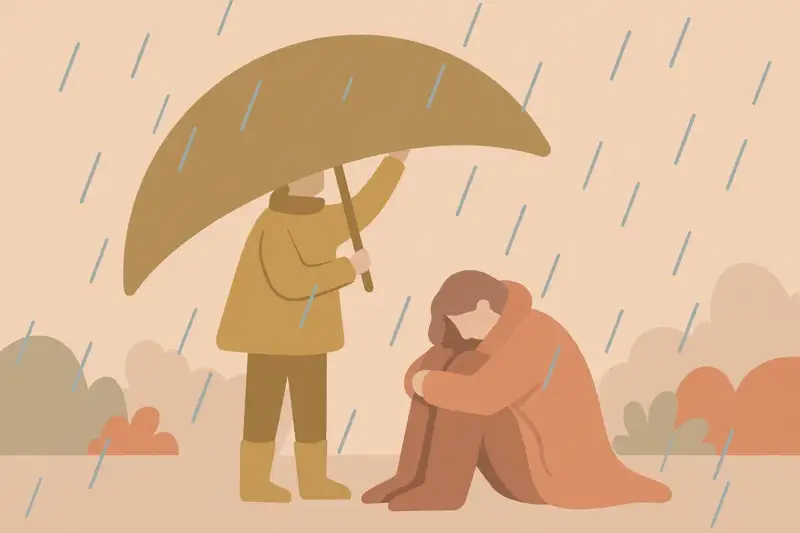
When someone you love is going through hell, you will feel helpless and say nothing. Say something anyway. Presence in pain is never forgotten. People remember exactly who showed up and who disappeared, for decades.
You do not need the right words. There are no right words. I am so sorry, I am here, and I am thinking of you are enough. Show up practically: food, rides, childcare, the unglamorous logistics of grief. Keep showing up after the first week, when everyone else fades and the pain is still there.
Do not try to fix it or silver-line it. At least is banned from grief. Just be there, consistently, without needing them to be okay. This is the highest form of love: witness, do not fix. The people who do this become family, whether by blood or by choice.
Lesson 12
Assemble the system. Daily: one undivided-attention block with the people who matter most, phone away. One small kindness, a text, a question, a noticed detail. Weekly: a real conversation with a friend, a date or dedicated time with your partner, a call to family. Monthly: review who you have neglected and reach out.
Yearly: the relationship audit. Who are the five people who matter most? Am I investing accordingly? Which friendship needs reviving? Which boundary needs setting? Which hard conversation am I avoiding? Write it down. Relationships you do not review drift.
Start with the smallest version today: text one person something specific you appreciate about them. Thirty seconds. Then put one recurring block on the calendar. Relationships are the ROI, and like all investments, they compound with regular deposits. Make today's deposit.
Graduation
Eighty years of research says it plainly: the quality of your relationships is the quality of your life. You know the practices now: undivided presence, daily small kindnesses, real listening, spoken gratitude, repair over winning, kind boundaries, maintained friendships, chosen family effort, hard conversations had early, and showing up in the hard times. The people closest to you matter most. Treat them that way, daily.
Keep learning
This course is part of Starvard University, striving for greatness.
A note on accuracy: Much of what you read at Starvard was created with help from AI agents, working alongside people. We check what we can, but we cannot guarantee that everything here is true, current, or complete. If something really matters, your health, your money, a grade, a job, please verify it with a trusted source before you rely on it.